
A podcast library that sells the opposite of engagement.

Kids Podcasts is a hand-curated library of children’s podcasts for ages 2 to 12. A parent approves the shows, a child listens in a locked player that has no search, no feed and no chat, and the listening can leave the phone entirely for a Yoto player, a car stereo or any podcast app.

There are no ads, ever. No algorithm decides what a child hears next. No streaks, badges or autoplay keep them listening. The product is built to be put down.
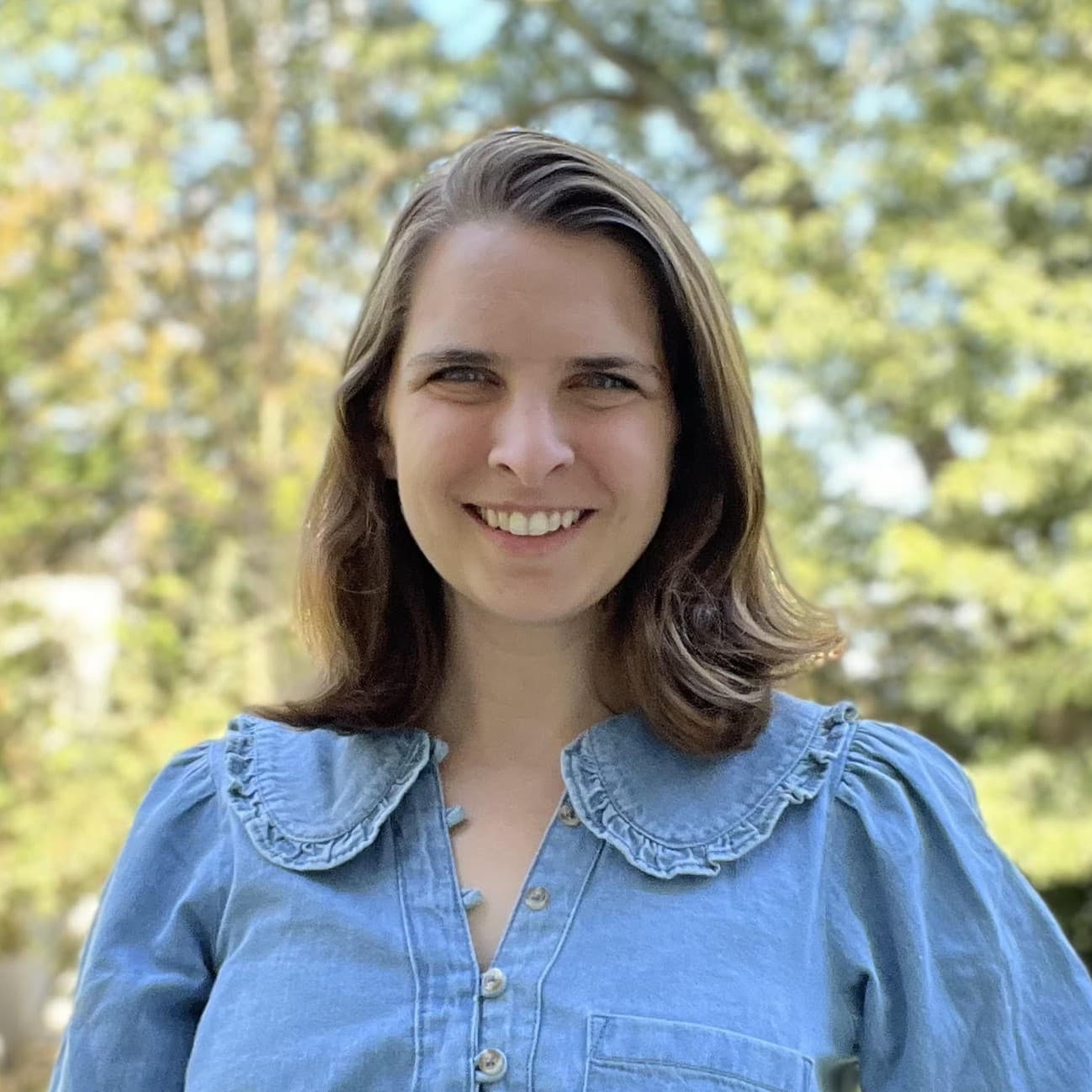
Kelly Morrill, the parent who built Kids Podcasts
Featured inForbesPodnews

Why a parent built this.

I started it to find episodes about my son’s latest obsession without digging through hundreds of search results. Mainstream podcast apps treat children as an afterthought: a search for “volcanoes” returns adult shows next to kids’ ones, and the kid-oriented apps hand a child their entire catalog. I wanted the order reversed. The parent curates first; the child listens second.

As other families found it useful it kept growing, and the idea has stayed the same the whole way: parents should decide what their family hears, when their children can listen, and how. Everything below follows from that, including the things we decided never to build.

What we will not build.

Most of what makes a kids’ app profitable is bad for kids. These are standing decisions, not settings a growth team can flip later.

No ads, ever

Not to children and not to parents. Ads reward time in the app, and this product is for the opposite. Everything is free today; when a paid plan arrives it will be optional and pay what you can.

No algorithmic feed

Nothing recommends the next episode to a child. A kid sees only what a grown-up approved, in the order the grown-up set, and the library stops where the approvals stop.

No streaks, badges or autoplay forever

There are no retention mechanics aimed at children. A parent-set daily limit ends the session, and the player is built to be put down without a fuss.

No data we do not need

A child never has an account. Daily listening totals are deleted after 14 days, playback positions after 60, and deleting a child or a family removes everything that belonged to them.

No microphone, no tracking SDKs

The app has no microphone permission, no third-party analytics and no advertising or tracking code. The website dropped Google Analytics in 2026 and keeps only privacy-preserving, cookie-free counts.

No safety behind a paywall

Kid mode, the full catalog and unlimited child profiles are free. Profiles are a safety feature, so a big family is never charged per child.

How it works.

1

A parent picks

Browse 200+ hand-reviewed shows by age, topic and language, or start from a curated playlist. Approve a whole show, or review each new episode first.

2

A child listens

Hand over the phone or tablet in a locked kid mode. The child sees their own approved library, large artwork, big buttons, and nothing else. Leaving kid mode needs the parent PIN.

3

The listening leaves the screen

Any playlist goes to a Yoto player as a card that keeps itself up to date, to any podcast app as a private RSS feed, or to a car stereo as MP3 files. Screen-free is the goal, not a tier.

Privacy by design, not by policy.

The privacy policy describes what the code already enforces. The short version:

  • The parent is the account holder and gives consent for each child. Children never sign up, never enter an email and are never contacted.
  • A child profile is a first name and an age band. That is all we need to show the right shelf.
  • Automatic deletion is scheduled in the database, not left to a request: daily listening totals after 14 days, playback positions after 60 days, finished markers after 18 months.
  • Deleting a child, or a whole family, cascades through every table that referenced them.
  • The app contains no advertising, analytics or crash-reporting SDK from any third party. Crashes are reported to our own endpoint with no personal data.
  • Yoto is connected through a verified, registered application that asks only for the permissions it needs: your content and your card icons, never your devices or your family members.
  • We completed a data protection impact assessment against the UK Children’s Code and a UK, EU and Australia review in 2026, and we design to COPPA in the United States.

Curated by a person, labelled honestly.

Every show has been listened to

Each of the 200+ shows was reviewed and hand-tagged by age and topic before it was added. Spotify-only shows are left out because a family could not actually play them. Dead or disappearing episodes are checked weekly and hidden rather than left to fail.

38,000 episodes, each with its own icon

Every episode in the catalog carries a hand-chosen 16-pixel icon for the Yoto player, so a child who cannot read yet can still find the episode about the moon. No two tracks on a card look alike.

Creators disclose, parents decide

Podcast creators have their own studio here, where they describe their show’s ads (what runs, who approves them), its energy level, scary moments and accessibility, and link their own transcripts and bonus material. It is shown to parents as “Good to know”, credited to the creator, and nothing is paid placement.

Age guidance you can act on

Each show states its intended age range and the one age group it is best featured with. Categories have written definitions, so a story that teaches a lesson is not filed under school lessons, and a creator cannot campaign onto every shelf.

For every kind of family.

Big families, free

Unlimited child profiles at no cost, each with their own age-appropriate shelf, approvals and limits. One household, one account, one PIN.

Hard days, too

Growing Up playlists for when a child is going through something: a new sibling, starting school, a doctor visit, moving, grief, nightmares and the dark, hard news. Chosen by a parent, not generated.

More than one language

Spanish and French shows sit alongside English ones with their own rail, and seasons such as Hispanic Heritage Month and Indigenous Peoples’ Day are curated across many shows rather than tucked into a corner.

Screen-free by default

Playlists are made to leave the phone: Yoto cards, RSS for any player, MP3 for the car. A child does not need a screen to use what a parent built.

A business model that cannot trap you, written down before it is switched on.

Today every family gets everything for free: the catalog, kid mode, limits and schedules, playlists and Yoto sending. The plan, already built and decided, is that free keeps every kid safe forever, and an optional Premium pays for the conveniences that give parents their evenings back: listening limits and schedules, per-episode review queues, smart playlists and Yoto sending. Premium will be pay what you can, with identical features at every price, because a family’s budget should not change what their child is protected from.

One rule is already baked into every paid gate in the code: a lapsed account can always switch things off. Limits can be cleared, downloads can be stopped, Yoto syncing can be disabled, queued episodes can be dismissed, all for free, forever. Nothing a family stops paying for can hold their data or their child’s library hostage. And the families who found us before any of this turns on keep Premium free for good.

In the press.

Writing about kids’ audio? The press page has the launch announcement and a contact.

Who is behind it.

Kids Podcasts is built and run by Kelly Morrill, a parent, through Morrill Creative LLC. One person curates every show, draws the editorial playlists, answers every podcast request and makes every product decision. There is no growth team, which is part of why the list above has stayed short.

Questions, a show to suggest, or a problem to report: kelly@kidspodcasts.com. Podcast creators: a creator studio for shows in the catalog is opening now; write to the same address to get in.

Yoto is a trademark of Yoto Limited. Kids Podcasts is an independent product and is not affiliated with, endorsed by, or sponsored by Yoto Limited.